My approach to traveling the world for food has changed several times over the last thirty-eight years. From following Zagat to San Pellegrino and Michelin, here’s how and why I won’t splurge on Michelin two- or three-star restaurants in France, Italy, or America.
The Early Years: Chasing Zagat’s Top Lists (1988–2000)
From 1988 to 2000, most of my trips were in the USA, with occasional forays into Canada and Mexico. Every December, I’d put my five-figure bonus check to work, visiting one or two notable restaurant markets in North America. Zagat was my guide. The goal was simple: check off the top fifteen restaurants, then move on, funds permitting.
Discovering San Pellegrino’s Top 100 List
By 2000, I’d exhausted nearly every great food city in America. Bored with French-influenced farm-to-table cuisine, I began aggressively pursuing European dining experiences using the new San Pellegrino Best 100 Restaurants in the World list as my roadmap.
This functioned well for about a decade until it became obvious that San Pell was both a “best NEW restaurants in the world list” and also fairly ageist and averse to any Michelin three-starred restaurant. Become part of the establishment, and you were dropped like a hot pot by San Pellegrino. That’s not exactly ideal if you’re chasing the best food or the best overall experience, especially since that second Michelin star often reflects service, and the third reflects the overall luxury of the experience.
Why I Left San Pellegrino for Michelin
By 2010, I was over it. Young, hip newbies were blasting ear-splitting music through dining rooms and bringing social issues onto the plate. I was done with San Pellegrino. I don’t mind dressing for the experience, and I think fine dining deserves a certain reverence and respect, which it certainly wasn’t getting from thirty-somethings showing up in jeans and a dirty T-shirt to tick off a foodie experience for social media.
So I pivoted to the Michelin Guide. Michelin takes the slow road to awarding stars, and that patience shows in the results.
How Michelin Stars Hold Up in Spain
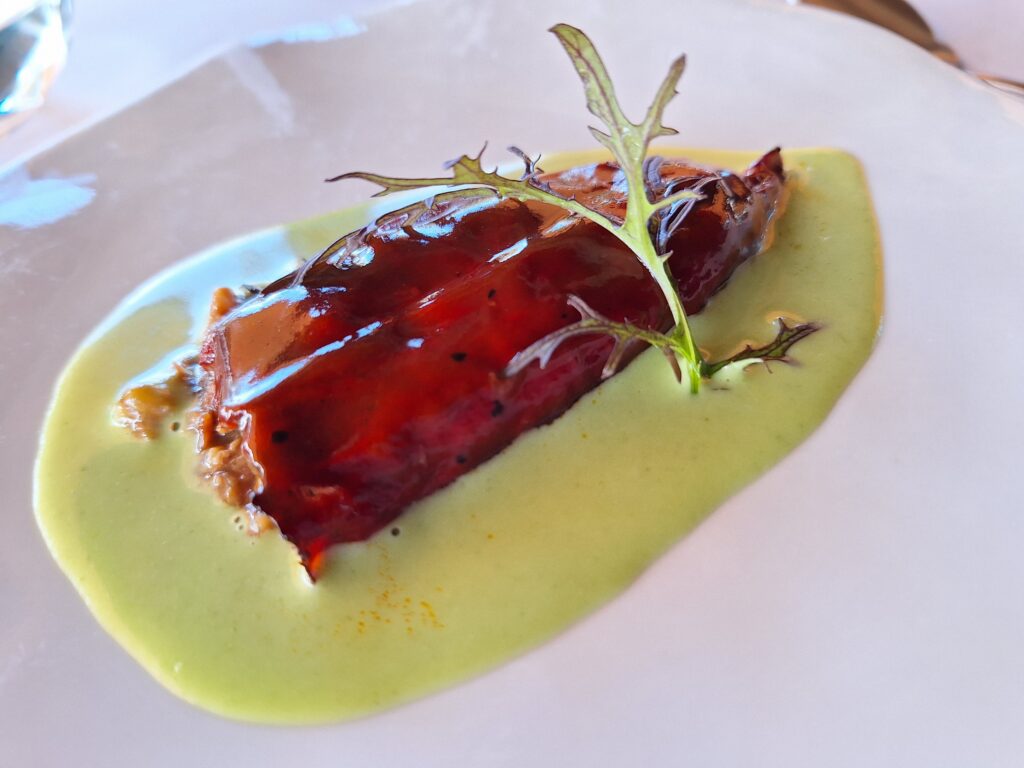
Michelin has generally been very good to me. In places like Spain and Korea, stars genuinely reflect the quality of the dining experience. While I often have one-star meals that rival the food quality at three-star places, the difference in the service and environment is still noticeable.
A Note About Wine Mark-Up Prices at Restaurants
I have been a little bit annoyed by the recent outrageous wine markups at three-star restaurants in Spain. Azurmendi and DiverXO are both marking up wine 700–900%, which I find absolutely absurd. Martín Berasategui, on the other hand, still offers great selections at roughly twice retail, which is quite good considering.
Overall, I generally feel stars in Spanish restaurants accurately reflect what’s coming to your table. Some of my most memorable meals came at one-star restaurants in the Asturias and Cantabria, as well as Valladolid and Logroño.
Why I Skip Two- and Three-Star Restaurants in France and Italy
France and Italy are a different story entirely. I actively avoid two- and three-star establishments in both countries, and here’s why: rigid adherence to tradition.
Escoffier defined French cuisine throughout the late 19th and early 20th centuries. Sauces got lighter during the nouvelle cuisine movement of the 1970s, but classical dishes are still prepared classically today. Walk into a restaurant with an Alsatian chef, and he’s likely cooking classical Alsatian dishes. Substitute any region you like, same thing. A one-star chef is almost always cooking the same dishes as the three-star chefs.
Yes, the china is nicer. The waiters’ uniforms are pressed just so. The floral arrangements are flawless. But the food is the same, or close enough that a €100 to €550 per-person price tag (before wine) makes you feel taken advantage of.
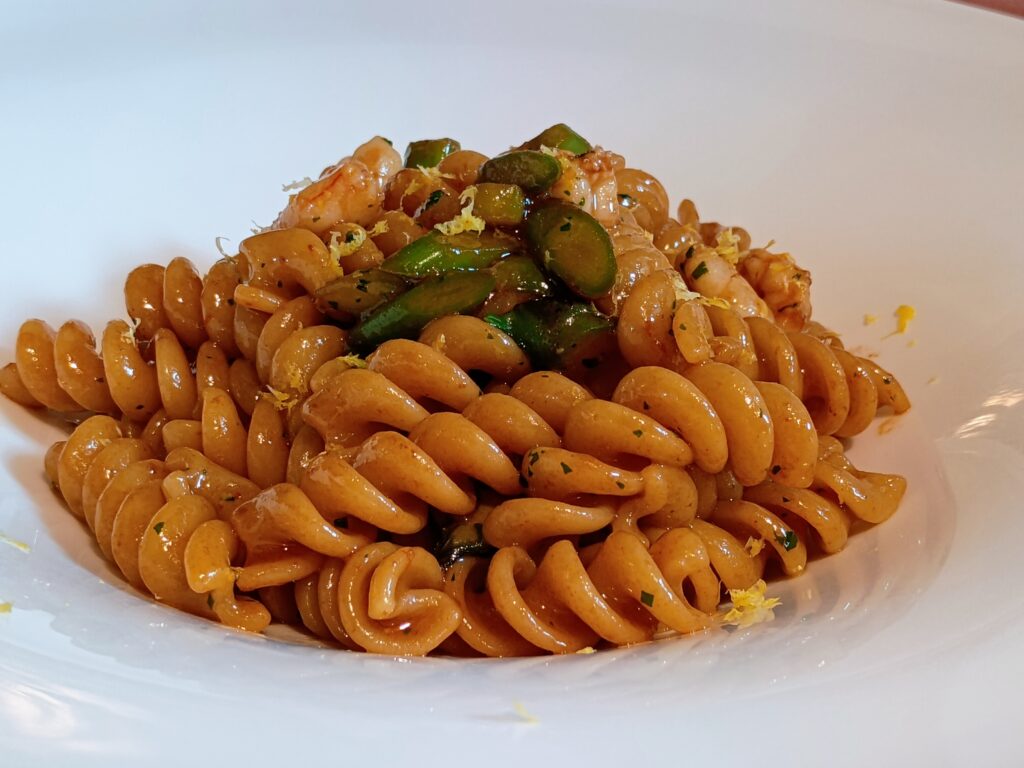
Italy might be even more rigid, hamstrung by Nonna traditions. Agnolotti, vitello tonnato, bolognese — all the exact same recipes, regardless if they are Bib Gourmand or a three-star. Pay €30 for a prix-fixe lunch at a neighborhood osteria, or pay €550 at a three-star restaurant. Either way, you’re eating the same dish. No exceptions.
The Math Doesn’t Add Up
So here’s the real question: outside rare exceptions like Osteria Francescana in Modena, or a handful of avant-garde French rebels, why pay 5-15 times more to eat the same traditional cuisine? The answer? Don’t.
Generally, tasting menu pricing breaks down like this:
- Bib Gourmand: under €100
- One star: €90–€125
- Two stars: €200–€225
- Three stars: €375 and up
If I’m having extraordinary food that is creative and refined, I have no problem paying. But if I’m having the same dishes I had at lunch, no way.
America’s Restaurant Pricing Problem
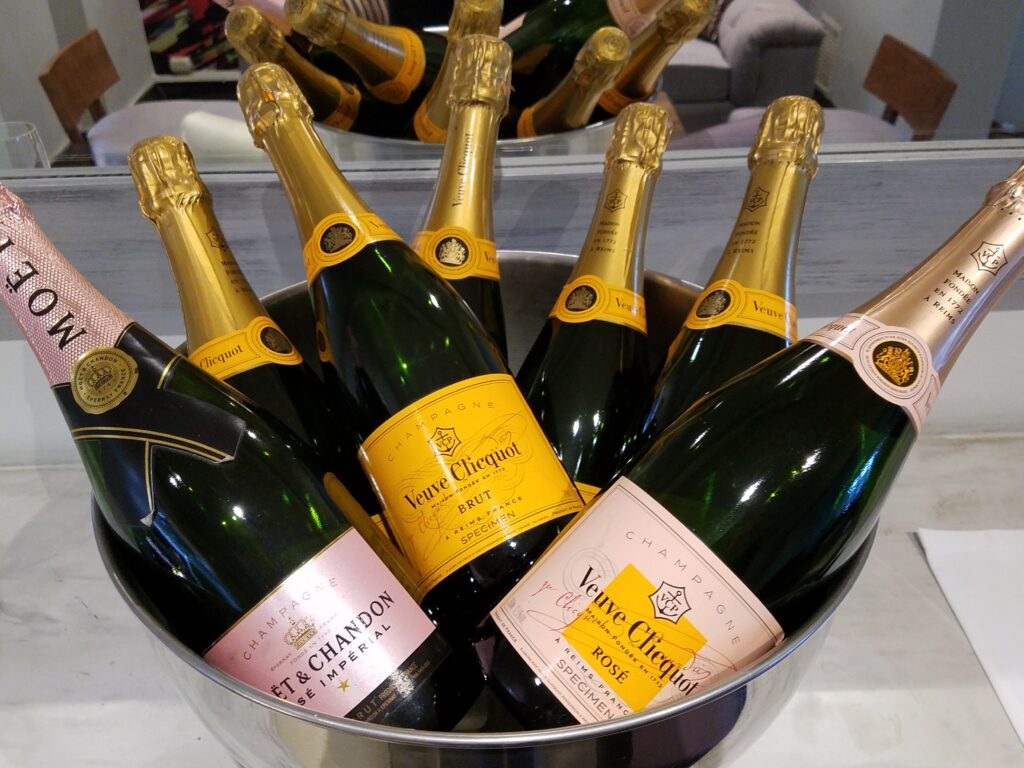
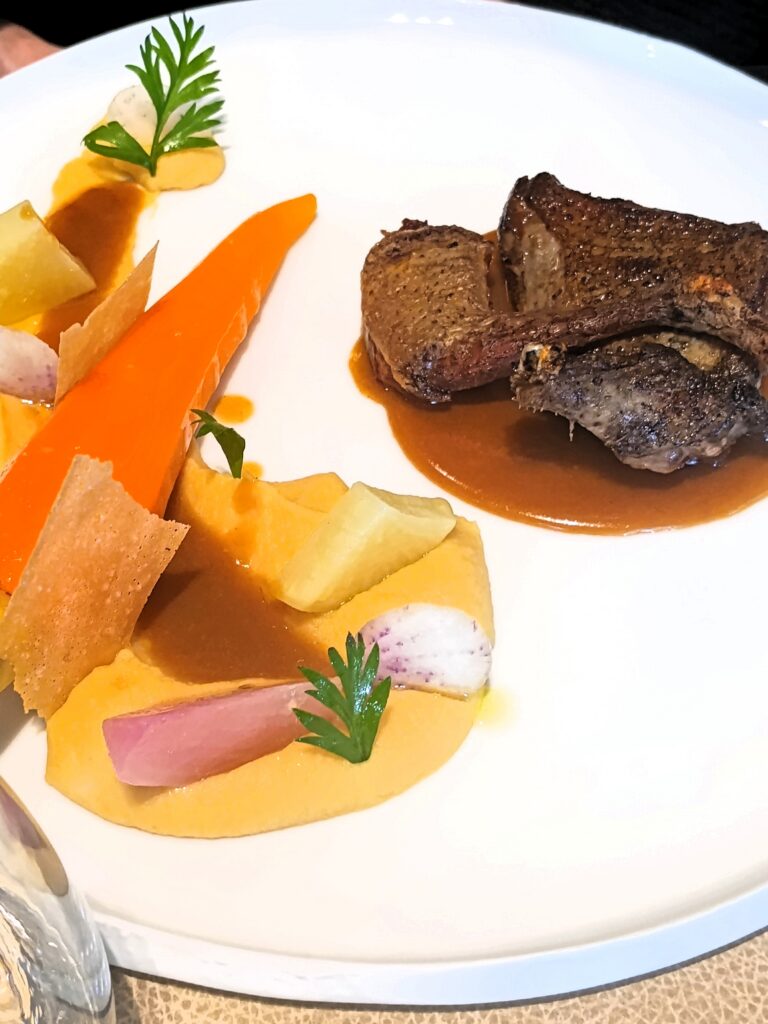
And since I mentioned the U.S., let’s talk about it. I’d like to point out the number of restaurants that earn a single Michelin star and suddenly decide they’re worthy of a $400 prix-fixe menu — while marking up $10 wines to $23 a glass and selling négociant Champagne for nearly $200 a bottle. I can buy that same bottle at Costco for $40 (and it costs them roughly $22).
Restaurant prices in America are like everything else in America: a complete rip-off designed to grab that last dollar out of your pocket before capitalism dies. I wouldn’t buy a bottle of wine at an American restaurant if my hair were on fire and they were the last water source on earth. There is such a thing as knowing what something is worth, and for too long Americans have been played for fools. Stop paying it, and restaurants will have to rethink their “get rich quick” mentality.
Where to Actually Spend Your Money
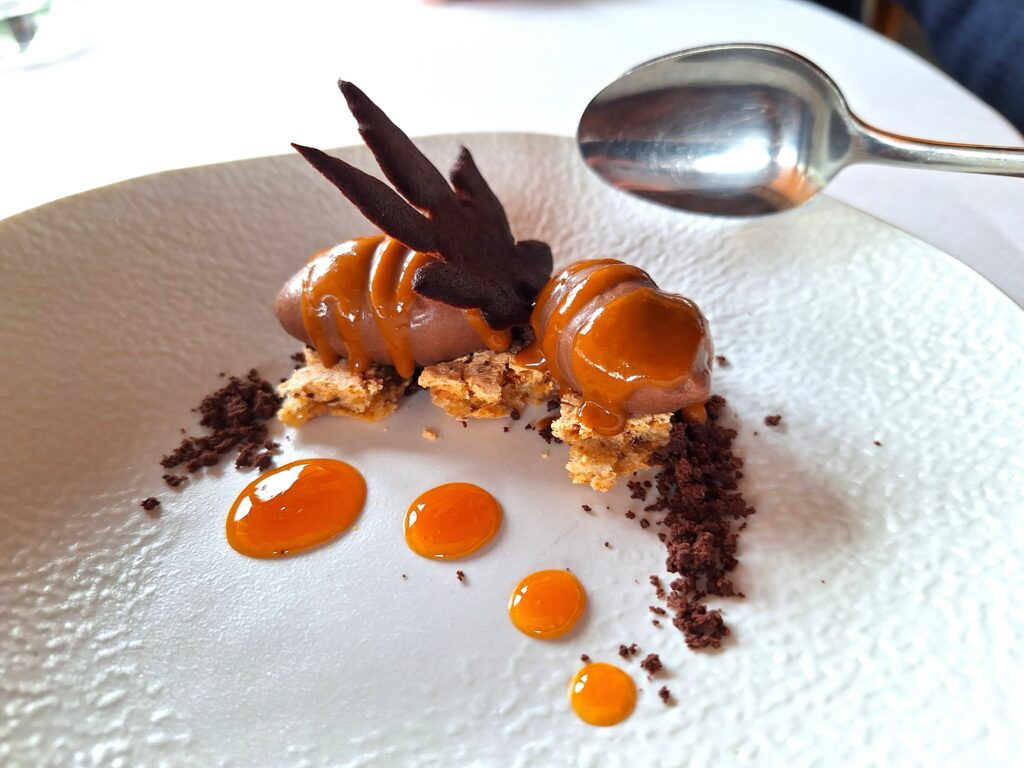
Save those three-star splurges for chefs who are genuinely thinking outside the box — the ones unencumbered by tradition, in places where that kind of innovation is welcomed and rewarded. Do that, and you will be confident that you never threw money away on dressed-up peasant cuisine.
Leave a Reply